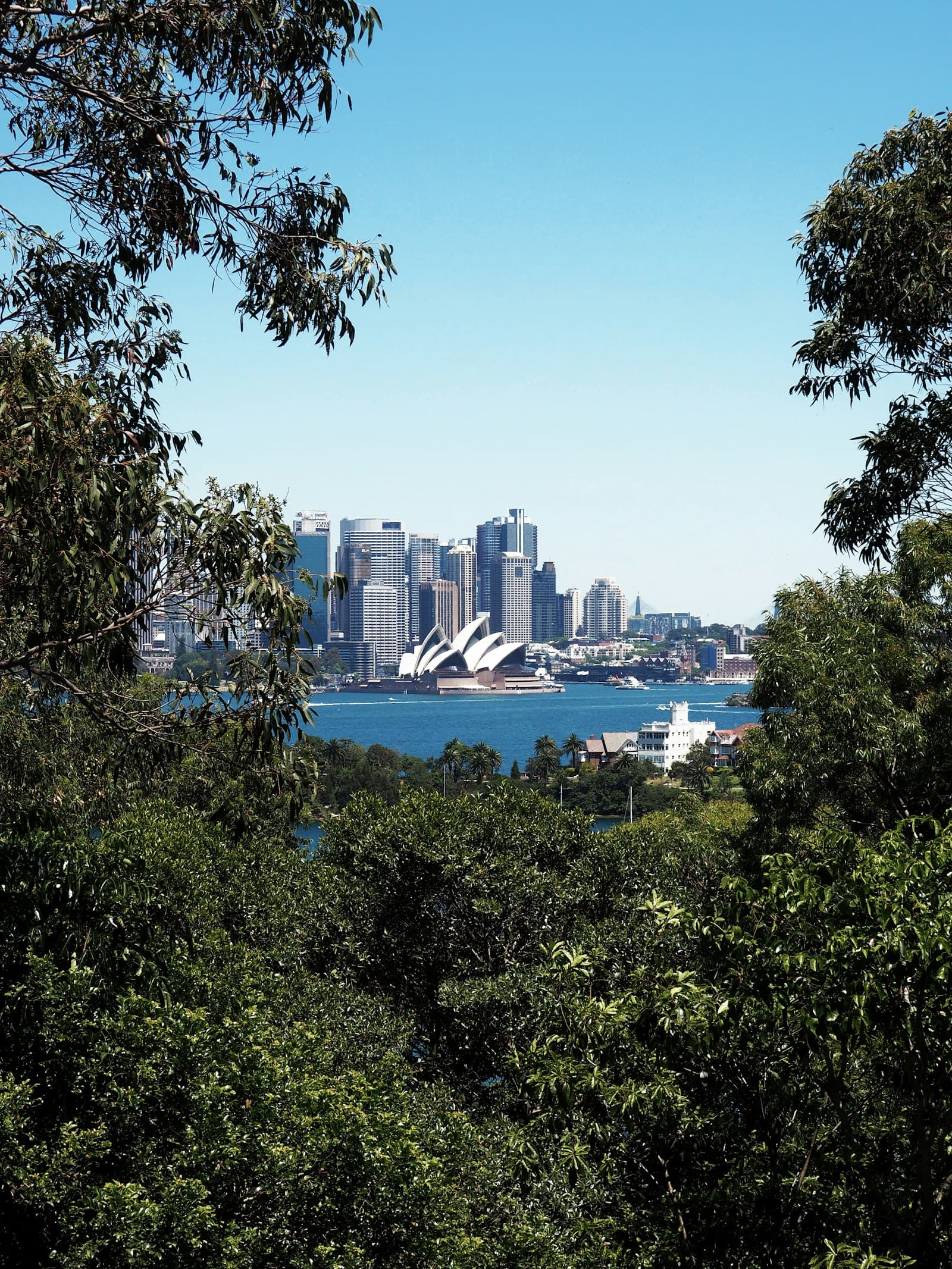
Sydney Harbour with the Opera House and university buildings visible along the waterfront
← All Destinations

Study in Australia

Sunshine, coastal campuses, and strong post-study work rights for graduates.

SkillGen is an educational information resource, not a registered migration agent, education consultant, or visa advisor. Requirements change frequently and vary by individual circumstances. Last verified 5 September 2026 — always confirm current details with the official source before making any decision.

About Australia

Australia is an island continent with a mostly coastal population, and its major student cities — Sydney, Melbourne, Brisbane, Adelaide, and Perth — offer a mix of urban life and easy access to beaches and nature. The climate varies by region, but most student cities have warm summers and mild winters, and the academic year generally runs opposite to the Northern Hemisphere, with the main intake typically starting in February.

Australia has a large and well-established Indian student community, and Indian students are consistently one of the top nationalities studying there. Most university cities have strong Indian cultural associations, places of worship, and grocery stores, which makes settling in noticeably easier.

Students are often drawn to Australia for the relatively shorter duration of its bachelor's and master's degrees compared to some other destinations, its research strengths in fields like engineering, IT, and health sciences, and generally strong post-study work rights for graduates.

Students relaxing on a sunny lawn between classes at an Australian university
Group of international students at a beach near a coastal Australian city

Life as an international student

International students on a student visa are typically permitted to work part-time during term — as a general guide, this has generally been capped around 48 hours per fortnight in recent years, with unrestricted hours often allowed during official course breaks. Because this limit is set by immigration policy and has changed before, always confirm the current cap on your visa conditions.

Cost of living is generally high in Sydney and Melbourne compared to cities like Adelaide, Perth, or regional study locations, and some regional campuses also offer additional visa or scholarship incentives to attract students. Share housing is common among students to manage rent.

Australia is generally considered safe for international students, and universities run comprehensive orientation programmes along with support services specifically for international and Indian students. Overseas Student Health Cover (OSHC) is compulsory and provides a safety net for basic medical needs throughout your stay.

The education system

Australian higher education is delivered by universities as well as vocational education providers (TAFEs), with universities focusing on academic degrees and TAFEs offering more applied, vocational qualifications. Teaching typically blends lectures, tutorials, and practical or lab-based work depending on the subject.

The Australian Qualifications Framework (AQF) standardises qualification levels across the country, which makes it relatively straightforward to compare degrees and pathway options between different institutions and states.

Foundation / Pathway Programme

Typically 6-12 months

Common for international students who need to meet academic or English-language requirements before starting a bachelor's degree.

Bachelor's Degree

3 years (typically), 4 years for some professional degrees

Fields such as engineering, architecture, and some health sciences often take 4 years.

Master's Degree

1-2 years

Coursework master's degrees are often 1-1.5 years, while some research-based or extended master's degrees take 2 years.

PhD / Doctorate

Typically 3-4 years

Primarily research-focused, similar in structure to the UK model.

Government-approved institutions

Every institution recruiting international students in Australia must appear on the official CRICOS Register maintained by the Australian Government Department of Education.

This is a curated sample, not an exhaustive or official list. Verify an institution's current approved status on the official register above before applying or paying any fee.

University of Sydney

Sydney

University of Melbourne

Melbourne · Consistently one of Australia's leading research universities

University of New South Wales (UNSW)

Sydney

Monash University

Melbourne

University of Queensland

Brisbane

Australian National University (ANU)

Canberra

Top-ranked institutions

Several Go8 universities are consistently ranked among the world's top institutions by QS and Times Higher Education — check current league tables for the latest standings, since rankings are updated annually.

Group of Eight (Go8)

A coalition of Australia's eight leading research-intensive universities, broadly comparable in stature to the UK's Russell Group.

University of SydneyUniversity of MelbourneUniversity of New South WalesUniversity of QueenslandAustralian National UniversityMonash UniversityUniversity of AdelaideUniversity of Western Australia

Admission process & eligibility

  1. 1Research universities and courses, checking CRICOS registration for your chosen programme.
  2. 2Confirm entry requirements, including academics and English test scores, for your specific course.
  3. 3Prepare and submit documents directly to the university, or through a registered education agent.
  4. 4Receive a Letter of Offer and accept it by paying the required deposit or first tuition instalment.
  5. 5Receive your Confirmation of Enrolment (CoE), the document required for your visa application.
  6. 6Apply for your student visa using the CoE.

Academic

Academic transcripts

Completed schooling or a bachelor's degree meeting the minimum grade requirements set by the specific course, which vary by institution.

English Test

IELTS Academic (or equivalent)

Typically an overall band of around 6.0-6.5 for undergraduate and 6.5-7.0 for postgraduate courses, with no band usually below 6.0 — exact requirements vary by institution and programme. PTE Academic and TOEFL iBT are also widely accepted.

Other

Statement of purpose

Often required both for admission and as part of the Genuine Student requirement for the visa application.

Other

Genuine Student assessment

Visa applicants must satisfy immigration authorities that they are genuinely intending to study and will comply with visa conditions.

Other

Overseas Student Health Cover (OSHC)

Mandatory health insurance that must be arranged for the duration of your visa before it can be granted.

Visa: Student visa (subclass 500)

Visa outcomes are decided solely by the relevant government authority based on your personal circumstances. Nothing on this page is immigration advice — always confirm current requirements with the official source linked below.

1

Receive your Confirmation of Enrolment (CoE)(Varies by university)

Issued by your university once you accept your offer and pay the required deposit.

2

Arrange Overseas Student Health Cover (OSHC)(Can be arranged in advance)

Mandatory health insurance for the length of your intended stay, arranged before or during the visa application.

3

Prepare Genuine Student and financial documents(1-2 weeks to prepare)

Gather evidence of funds, academic background, and ties that support your Genuine Student claim.

4

Submit the online visa application(Around 1 hour to complete)

Apply through the Department of Home Affairs ImmiAccount portal and pay the visa application charge.

5

Await a decision(Commonly several weeks, can vary)

Processing times vary depending on the time of year and individual circumstances.

Official visa information →
Explore All Destinations